Compare the two
Piriformis Syndrome vs Sciatica: Key Differences
Piriformis syndrome vs sciatica is a question of source. Piriformis syndrome is a proposed problem where a deep buttock muscle irritates the sciatic nerve. Sciatica is the symptom, with many possible causes. Both can cause buttock and leg pain, so a clinician has to examine you to tell them apart.
Written by the SciatiEase label deskUpdated · 4 min read
What is the difference between piriformis syndrome and sciatica?
Sciatica is a symptom: pain, tingling or numbness along the sciatic nerve (MedlinePlus, Sciatica). Piriformis syndrome is one proposed cause, in which a small muscle deep in the buttock tightens and irritates that nerve.
So the two are not rivals. Piriformis syndrome, if present, would be one way to get sciatica-like symptoms. Other, more common causes include a herniated disk and spinal stenosis.
Piriformis syndrome is debated, and it is hard to confirm with a scan. We found no source in our reference set that sets out its test criteria, so we describe it here only in general terms.
| Point | Piriformis syndrome | Sciatica |
|---|---|---|
| What it is | A proposed muscle-related cause | A symptom of nerve irritation |
| Usual start | Deep in the buttock | Lower back or buttock |
| Common triggers | Long sitting, hip strain | Disk, narrowing, injury |
How can you tell which one you might have?
You cannot tell for sure at home. Both can bring buttock pain that spreads down the leg, so the clues only point in a direction.
- Pain mostly in the buttock, worse after sitting, may suggest a muscle source
- Back pain with leg tingling or numbness may suggest a spine source
- Leg weakness suggests the nerve root and needs a prompt check
Scans can also mislead. Disk bulges are found in 30% of 20-year-olds with no back pain, and in 84% of 80-year-olds (Brinjikji et al., AJNR 2015). So a clinician reads findings together with your symptoms.
The exam may include moving your hip, testing strength and checking reflexes. That is how most of these questions get sorted out.
What do clinicians suggest for buttock and sciatic pain?
Clinicians often start with non-drug care. The American College of Physicians suggests heat, massage, acupuncture, spinal manipulation or exercise first for back-related pain (Qaseem et al., ACP guideline 2017).
The NHS advises staying as active as possible, with regular sciatica exercises and heat packs. One review found exercise gave a small short-term edge over advice to stay active, with low-quality evidence.
A physical therapist can show which moves suit you. Stretches that help one cause may irritate another, so get guidance first.
Pain that sharpens during a stretch, or new numbness or weakness, is a reason to pause and ask a clinician.
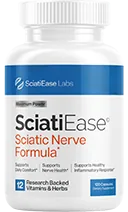
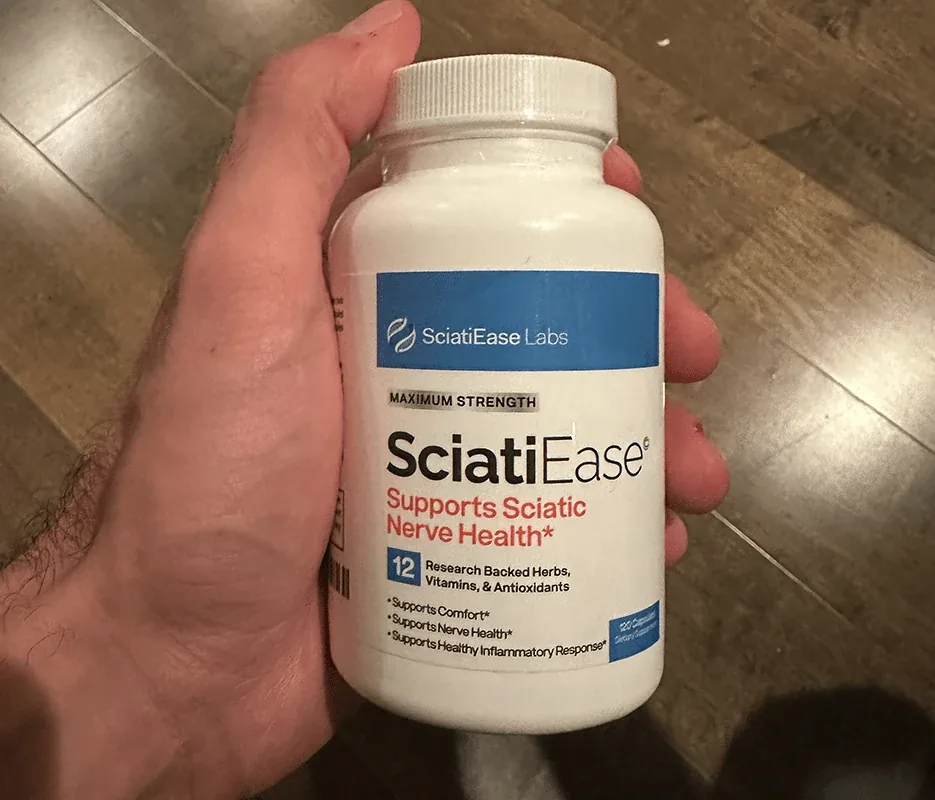
SciatiEase: from $49.99 a bottle120 capsules · 1, 3 or 6 bottles · 180-day money-back guarantee
See packsWhen should buttock and leg pain be checked?
Get it checked if it has not improved after a few weeks, is getting worse or stops normal activities.
Pain in both legs, weakness in the legs, numbness around the groin or bottom, bladder or bowel changes, or pain after an injury (AANS, Cauda Equina Syndrome).
Keep taking prescribed medicine. Ask your doctor or pharmacist before adding any supplement.
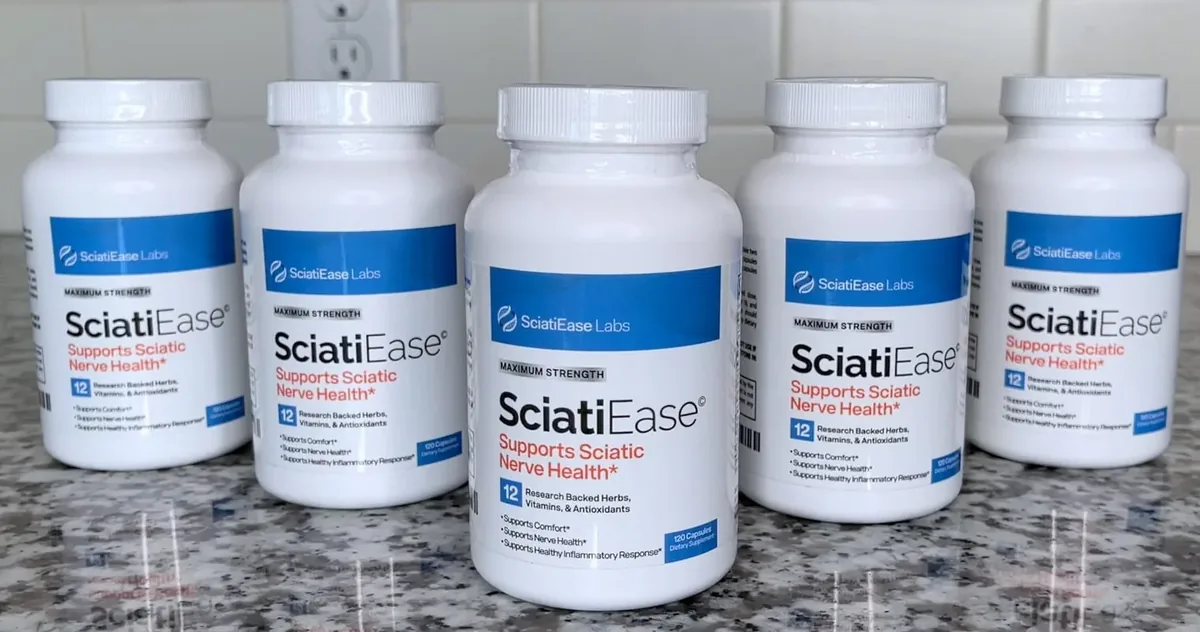
SciatiEase is a capsule supplement, was not tested for piriformis syndrome or sciatica, and does not treat either. Its label facts are on who it is for, and the guides hub holds the basics.
Order SciatiEase
Thinking of trying it? The bigger packs cost less per bottle.
Prices from the order page, October 18, 2026 (SciatiEase order page). One bottle is $69.00 plus $6.95 S&H. Every pack carries the 180-day money-back guarantee. Check your medicines first.
FAQ01
Quick answers on piriformis syndrome and sciatica
Can piriformis syndrome feel like sciatica?
Yes. A tight buttock muscle can irritate the sciatic nerve and cause buttock and leg pain that feels like sciatica. Because spine problems cause the same pattern, only an exam can sort out the source.
Does sitting make piriformis pain worse?
Often, yes. Long sitting can aggravate deep buttock pain, and many people with sciatica also report worse symptoms when seated. Standing breaks and gentle walking are simple steps to try, as the NHS advises staying active.
Do I need an MRI to know which one I have?
Not always. Doctors begin with your history and an exam. Scans are used if red flags appear or pain lasts. Many pain-free people show disk changes, so scan results need context.
Who wrote this02
Written and reviewed by
Pages built from the Supplement Facts panel, the brand pages and linked NIH, FDA, FTC, NHS and peer-reviewed sources.
Last updated . See our editorial standards and the way we check reviews. This website is run by Isciatiease, a U.S. desk for SciatiEase, not by the manufacturer or by SciatiEase Labs. Purchases made through our order links earn us a commission.
Keep reading
More about SciatiEase
U.S. desk for SciatiEase
Ready to try SciatiEase?
Check your medicines first, then pick a pack. Bigger packs cost less per bottle, and the 180-day money-back guarantee gives you time to judge it.
- Secure checkout on the brand page
- 180-day guarantee
- Ships from the U.S.