Supplement or drug
PEA vs Gabapentin: Supplement vs Prescription Explained
PEA vs gabapentin is a comparison of a supplement ingredient and a prescription drug, and they are not swaps. PEA has small trials, including one in sciatica. Gabapentin is a drug with set uses and known side effects. Keep taking prescribed medicine, and ask your doctor or pharmacist before you add or change anything.
Written by the SciatiEase label deskUpdated · 4 min read
What is the difference between PEA and gabapentin?
PEA is a fatty compound sold as a dietary supplement. Gabapentin is a prescription drug used for certain seizures and for nerve pain after shingles (MedlinePlus, Gabapentin).
They are regulated differently. FDA does not approve supplements before sale, and the maker is responsible for safety (FDA 101: Dietary Supplements). A drug must pass FDA review for its uses first.
That gap shapes what each can claim. A supplement may not say it treats a disease. Our PEA ingredient page covers the compound itself.
| Item | PEA | Gabapentin |
|---|---|---|
| Type | Dietary supplement ingredient | Prescription drug |
| Who decides to use it | You, ideally with a doctor | A prescriber |
| Common effects noted | Not covered in our sources | Drowsiness, dizziness, unsteadiness (MedlinePlus, Gabapentin) |
| Evidence | Small trials, low quality | Mixed for sciatica |
What does the evidence say about PEA and gabapentin for nerve pain?
The evidence for both is limited for sciatica. PEA has small, short trials, and gabapentin showed little benefit for sciatica-type pain in a review of placebo trials.
A meta-analysis found PEA lowered pain scores by about 2 points on a 10-point scale. The authors noted few trials, poor study quality and ties to industry (Artukoglu et al., Pain Physician 2017). A 3-week sciatica trial of 636 people used 300 or 600 mg a day and found better pain and function, though categories were set after the fact (Cruccu et al., CNS Drug Targets 2019).
For gabapentin, a review of nine placebo trials found no reduction in pain or disability for low back or radicular pain, and more side effects (Enke et al., CMAJ 2018).
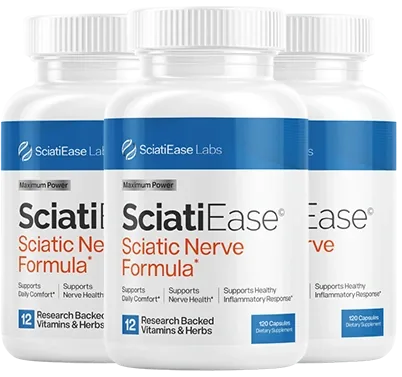
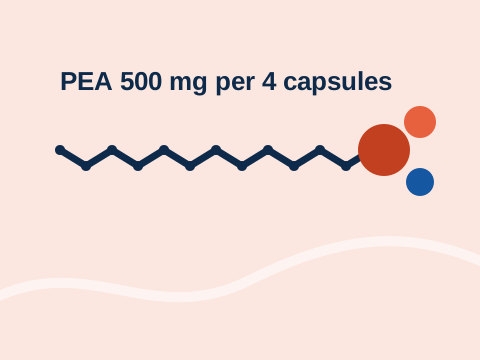
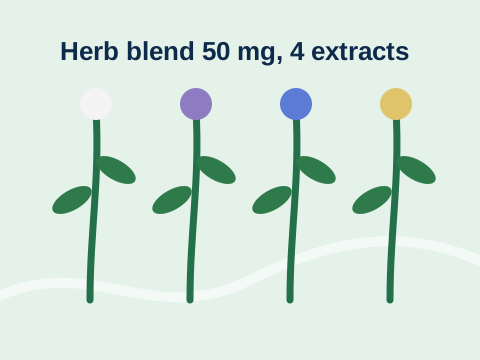
SciatiEase holds 500 mg of PEA in a serving of 4 capsules, inside the studied range. The product itself has no trial, so the results above do not carry over.
Can PEA replace gabapentin?
No. A supplement does not replace a prescribed drug, and we do not suggest you try. Any change to gabapentin belongs with your prescriber.
FDA advises that you not replace prescribed medicine with a supplement (FDA 101: Dietary Supplements). Keep taking prescribed medicine.
Taking both is a question for your doctor or pharmacist. We do not know your medicines, so we cannot say a mix is safe. Gabapentin can cause drowsiness, and alcohol adds to it (MedlinePlus, Gabapentin). Some herbs, such as passionflower, can also cause drowsiness (NCCIH, Passionflower).
Our guide to supplements and nerve medicines lists the questions to bring.
SciatiEase: from $49.99 a bottle120 capsules · 1, 3 or 6 bottles · 180-day money-back guarantee
See packsWhat should you ask your doctor about PEA and gabapentin?
Ask what your pain is, what the plan is and whether a supplement fits. Bring the label.
Share your full list
Include gabapentin, other medicines and every supplement.
Ask about drowsiness
Ask whether a supplement with herbs could add to it.
Ask about non-drug care
Guidelines start with heat, exercise and similar care for back pain (Qaseem et al., ACP guideline 2017).
Agree a review date
Decide when to check whether anything is helping.
Weakness in both legs, numbness around the groin or bottom, bladder or bowel changes, or pain after an injury need emergency care.
Order SciatiEase
Thinking of trying it? The bigger packs cost less per bottle.
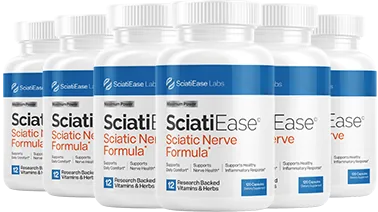
Prices from the order page, October 18, 2026 (SciatiEase order page). One bottle is $69.00 plus $6.95 S&H. Every pack carries the 180-day money-back guarantee. Check your medicines first.
FAQ01
Quick answers on PEA and gabapentin
Is PEA a drug or a supplement?
In the US, PEA is sold as a dietary supplement ingredient, and FDA does not approve it before sale. Gabapentin is a prescription drug. Both can affect how you feel, so tell your doctor about each one.
Can I take PEA while on gabapentin?
Ask your doctor or pharmacist. We do not know your medicines, so we cannot say it is safe. Do not stop or lower gabapentin on your own, and tell the prescriber about any supplement you start.
Which works better for sciatica, PEA or gabapentin?
Neither is proven better. PEA has small short trials, and gabapentin showed little benefit for sciatica-type pain in placebo trials (Enke et al., CMAJ 2018). Evidence is low quality for most sciatica drugs (Pinto et al., BMJ 2012). Ask your doctor about options.
Who wrote this02
Written and reviewed by
Pages built from the Supplement Facts panel, the brand pages and linked NIH, FDA, FTC, NHS and peer-reviewed sources.
Last updated . See our editorial standards and the way we check reviews. This website is run by Isciatiease, a U.S. desk for SciatiEase, not by the manufacturer or by SciatiEase Labs. Purchases made through our order links earn us a commission.
Keep reading
More about SciatiEase
U.S. desk for SciatiEase
Ready to try SciatiEase?
Check your medicines first, then pick a pack. Bigger packs cost less per bottle, and the 180-day money-back guarantee gives you time to judge it.
- Secure checkout on the brand page
- 180-day guarantee
- Ships from the U.S.